Product Categories
12 categories, 75+ products for every pipeline need
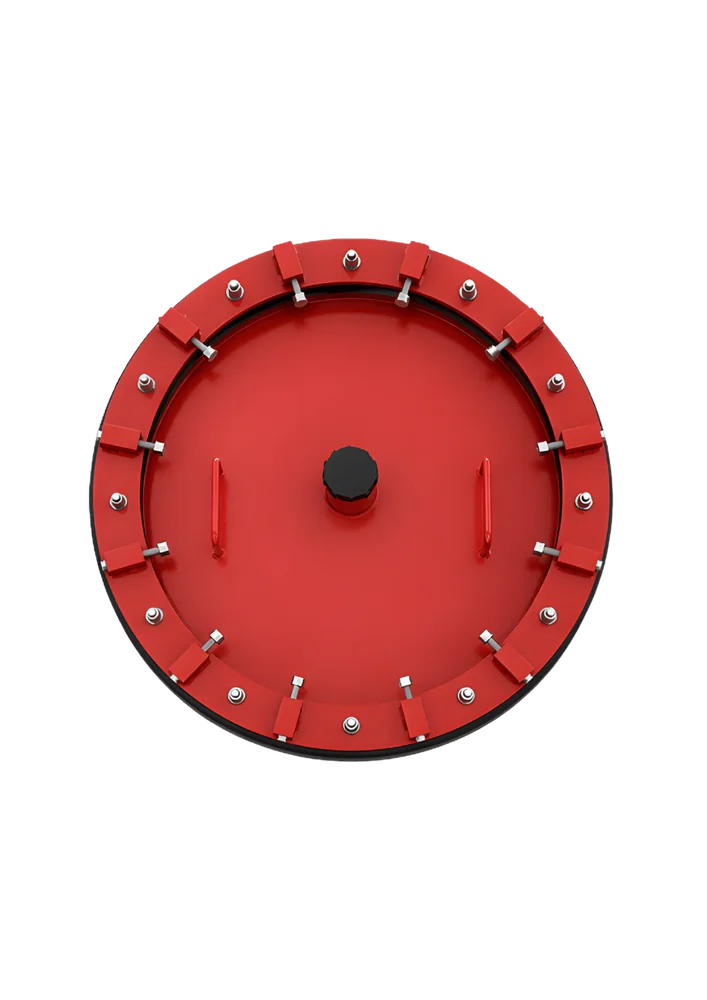
New: Tensioner Tottight Plugs
Multi-bolt tensioning for large-diameter pipelines — DN325 to DN2000
Learn More →Mechanical Pipe Plugs
Mechanical pipe plugs and test plugs in steel and aluminium — from DN15 to DN2000. Double-seal, Tottight and tensioner systems, with bypass as standard and custom builds on request.
Steel Test Plugs
- Size rangeDN15 — DN300
- Back pressure0,5 – 2,5 bar
- MaterialSteel (NR/SBR, CR, EPDM seal)
Double Seal Steel Test Plugs
- Size rangeDN15 — DN300
- Back pressure0,7 – 3,75 bar
- MaterialSteel (NR/SBR, CR, EPDM seal)
Tottight Steel Test Plugs
- Size rangeDN325 — DN2000
- Back pressure0,1 – 0,5 bar
- MaterialSteel (NR/SBR, CR, EPDM seal)
Tensioner Tottight Steel Test Plugs
- Size rangeDN325 — DN2000
- Back pressure0,2 – 1 bar
- MaterialSteel (NR/SBR, CR, EPDM seal)
Aluminium Test Plugs
- Size rangeDN40 — DN900
- Back pressureup to 2,5 bar
- MaterialAluminium (NR/SBR, CR, EPDM seal)
Tottight Aluminium Test Plugs
- Size rangeDN325 — DN2000
- Back pressure0,1 – 0,5 bar
- MaterialAluminium (NR/SBR, CR, EPDM seal)
Tensioner Tottight Aluminium Test Plugs
- Size rangeDN325 — DN2000
- Back pressure0,2 – 1 bar
- MaterialAluminium (NR/SBR, CR, EPDM seal)
Test plug questions, answered
SELECT A SERIES
General
ALL MODELSWhat is a mechanical pipe plug?▼
A mechanical pipe plug (also called a drain test plug, test bung or expansion plug) is a steel or aluminium plug with a natural-rubber sealing element. Tightening the wing nut compresses the rubber, expanding it against the pipe wall for a bubble-tight seal - no compressor or air line needed.
Mechanical plug or inflatable plug - which one do I need?▼
For small diameters, frequent daily reuse and quick tightness tests, a mechanical plug is faster: push it in and tighten the wing nut. For large diameters, irregular pipe walls or remote positioning inside the line, an inflatable pipe stopper is the right tool. Many contractors carry both.
How do I install and maintain a mechanical test plug?▼
Clean the pipe end, insert the plug fully, tighten the wing nut by hand until the seal grips. After the test, loosen and slide it out - reusable thousands of times. The only wearing part is the replaceable rubber element: rinse after sewage contact and replace it when it shows cracks.
What are Steel Test Plugs used for?▼
The St37 steel workhorse for drain and sewer tightness testing at 0.5-2.5 bar test pressure - air and water tests on construction sites, EN 1610 style leak checks and short-term isolation of smaller pipes.
What is a Double Seal Steel Test Plug?▼
It carries two rubber sealing elements instead of one, lifting the test rating to 0.7-3.75 bar - the highest in the mechanical range. Choose it for higher-pressure tests or when extra sealing safety is required.
What is a Tottight Steel Test Plug?▼
A quick-sealing plug for low-pressure checks at 0.1-0.5 bar: press it in and hand-tighten in seconds. Ideal for fast, repeated daily leak checks on drains.
What does the Tensioner Tottight version add?▼
A tension-lever clamping mechanism: the seal sets and releases much faster than a threaded wing nut, rated 0.2-1 bar. Built for crews cycling through many test points per day.
Why choose Aluminium Test Plugs?▼
Aluminium bodies make the plug significantly lighter to carry and corrosion resistant, with the same working principle and a 0.2-2.5 bar rating. Preferred for site work with many plug movements per day.
What is a Tottight Aluminium Test Plug?▼
The quick-sealing Tottight system in a lightweight aluminium body - 0.1-0.5 bar, hand-tight in seconds, resistant to corrosion. The lightest option for fast low-pressure checks.
What does the Tensioner Tottight Aluminium plug offer?▼
The fastest and lightest combination in the range: aluminium body plus tension-lever clamping, rated 0.2-1 bar. For high-volume testing where speed and carrying weight matter most.
Did not find your answer? Our engineers reply within 24 hours.
REQUEST A QUOTE →
Manufacturer of industrial pipe testing and stopping solutions. A Totalien brand.
© 2026 Plugline. All rights reserved. A Totalien brand.